How to Send Money Internationally in 2026 Without Losing Money on Fees
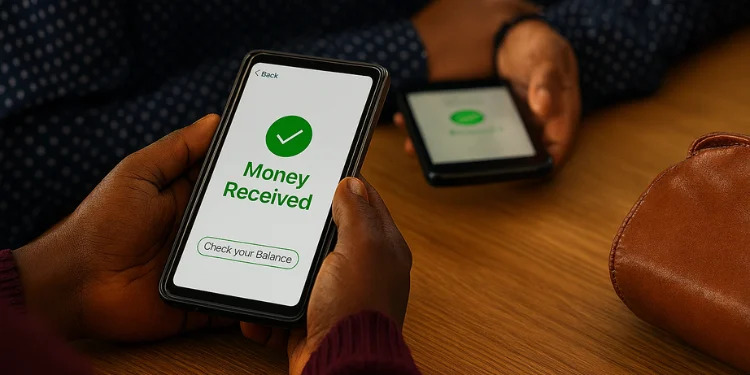
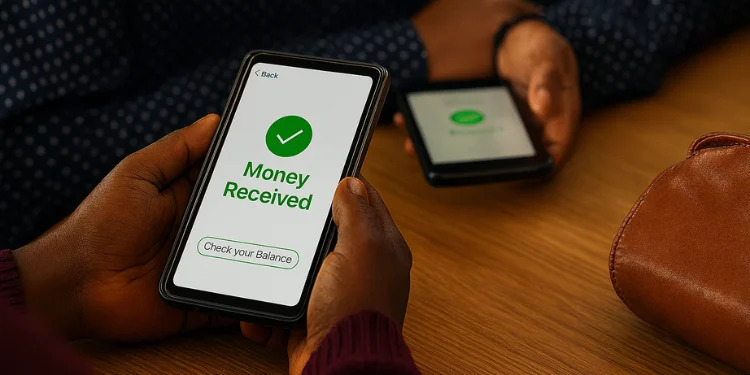
You send money to someone abroad and expect a specific amount to arrive.
Then the receiver checks the account and tells you:
“I received less than you expected.”
That is when the transfer fee stops being a small detail.
The missing amount can come from the advertised fee, the exchange rate, an intermediary bank, the receiver’s bank, a faster-delivery charge or the payment method you selected.
A transfer advertised as “zero fee” can still cost more than another transfer with a visible fee. The cost can be built into the exchange rate instead.
The safest question is not:
“Which service charges the lowest fee?”
The useful question is:
“How much will I pay in total, and how much will the receiver actually get?”
Fast answer
Before sending money internationally, compare the same transfer with more than one regulated provider.
Use the same:
- Sending country
- Receiving country
- Amount
- Sending currency
- Receiving currency
- Payment method
- Delivery method
- Delivery speed
For each option, record:
- Total amount you will pay
- Transfer fee
- Exchange rate
- Currency-conversion charge
- Amount expected to reach the receiver
- Possible recipient or intermediary fees
- Delivery date
- Cancellation rules
- Error-resolution process
Choose based on the complete result, not the largest “zero-fee” banner.
The real cost of sending money abroad
An international transfer can include several separate costs.
The visible transfer fee
This is the fee shown by the provider for processing the transfer.
It can be:
- A fixed amount
- A percentage of the transfer
- Different according to the destination
- Different according to the payment method
- Higher for urgent delivery
- Reduced for a promotional first transfer
A visible fee is only one part of the total cost.
The exchange-rate difference
The exchange rate determines how much foreign currency the receiver gets.
A provider can use an exchange rate that is less favorable than a public reference rate. The difference can become part of the provider’s revenue.
This is why a service advertising no transfer fee can still deliver less money.
Do not compare only the fee. Compare the actual exchange rate and the final amount expected to arrive.
Intermediary and receiving-bank fees
Some international bank transfers pass through intermediary or correspondent banks.
A bank involved in the route can deduct a charge before the payment reaches the receiver. The receiving bank can also apply a fee.
Ask whether:
- The full amount is guaranteed to arrive
- An intermediary bank can deduct fees
- The recipient’s bank charges incoming-transfer fees
- Fees are paid by the sender, shared or deducted from the transfer
- The displayed recipient amount is final or estimated
This matters most when the receiver needs an exact amount for rent, school fees, medical costs, invoices or another fixed payment.
Payment-method costs
The method used to fund the transfer can change its price.
Possible methods include:
- Bank account
- Debit card
- Credit card
- Cash
- Digital wallet
A card-funded transfer can have a different provider fee from a bank-funded transfer. A credit-card issuer can also classify a transaction differently and apply its own costs.
Do not assume that the fastest payment method is the cheapest.
Delivery-method costs
The receiver may collect money through:
- Bank deposit
- Cash pickup
- Mobile wallet
- Debit card
- Digital wallet
- Home delivery where available
Each method can produce a different fee, exchange rate and delivery time.
Ask the receiver what method they can actually use before comparing providers.
What current global data shows
The World Bank’s latest Remittance Prices Worldwide report available at the time of writing recorded an average cost of 6.36% for sending the equivalent of two hundred US dollars.
That percentage equals twelve dollars and seventy-two cents in the World Bank’s two-hundred-dollar benchmark.
The same report recorded:
- 4.59% average cost for digital remittances
- 7.30% average cost for non-digital remittances
- 14.99% average cost for banks in the services measured
These are global averages. They do not prove that every digital service is cheaper or that every bank is expensive.
Your actual result depends on the transfer corridor, provider, amount, currency, funding method and receiving method.
Official reference: World Bank Remittance Prices Worldwide
The golden rule: compare “receiver gets”
Most transfer screens display a line such as:
- Recipient gets
- Receiver receives
- Amount delivered
- Total to recipient
This is the most useful comparison number when the quote includes all known deductions.
However, read the warning underneath it. Some providers state that a recipient bank, intermediary institution or foreign authority can deduct additional amounts.
Compare both:
Total you pay
and
Total expected to reach the receiver
A provider is not cheaper simply because its visible fee is lower.
Step-by-step: Send money internationally without overpaying
Step one: Confirm exactly what the receiver needs
Before opening a transfer application, ask the receiver:
- Which country are they in?
- Which currency do they need?
- Do they have a bank account?
- Can they receive a mobile-wallet payment?
- Do they need cash?
- Is there a deadline?
- Do they need an exact amount?
- What name appears on their official identification?
The cheapest transfer is useless when the receiver cannot access the delivery method.
Step two: Gather the correct receiver information
The information required can include:
- Full legal name
- Address
- Telephone number
- Bank name
- Bank-account number
- International bank-account number
- Bank identifier code
- Mobile-wallet number
- Reason for transfer
- Relationship to the sender
Copy the information from a trusted document or message.
Do not guess a spelling, account number or bank code.
For cash pickup, the receiver’s name generally needs to match the identification shown at the pickup location.
Step three: Compare the exact same transfer
A fair comparison requires identical conditions.
Do not compare:
- A slow bank deposit with an instant cash pickup
- A bank-funded quote with a card-funded quote
- A promotional first transfer with a normal repeat-transfer price
- Different amounts
- Different currencies
- Different delivery dates
Enter the same information with each provider and record the quote at approximately the same time, because exchange rates can change.
Comparison note
Create a simple note with these headings:
- Provider
- Total paid
- Fee
- Exchange rate
- Receiver gets
- Delivery date
- Funding method
- Receiving method
- Extra-fee warning
- Cancellation rule
The provider delivering the highest amount is not automatically the best when it has an unacceptable delay or an unsuitable collection method.
The decision should combine cost, delivery, access and safety.
Step four: Check the exchange rate separately
Find the provider’s quoted exchange rate before confirming.
Then compare it with:
- Another transfer provider
- Your bank’s quote
- A reputable public currency reference
The public rate is a comparison reference. Consumers do not always receive that exact rate.
The important question is how far the provider’s rate differs and what effect that difference has on the final amount received.
Step five: Look for a rate guarantee or quote expiry
A quoted rate can be:
- Guaranteed for a stated period
- Updated until payment arrives
- Estimated
- Recalculated when the transfer is processed
Read the confirmation screen carefully.
A transfer funded through a slower bank payment can use a different rate by the time the provider receives the money unless the rate was locked.
Save the quote and its expiry time.
Step six: Compare funding methods
Check the price of paying from:
- A bank account
- A debit card
- A credit card
- A wallet
- Cash
The same provider can display different fees for each method.
Also check whether your card issuer or bank can add:
- Cash-advance treatment
- Foreign-transaction charges
- Bank-transfer fees
- Insufficient-funds charges
The World Bank’s global data cannot tell you which funding method is cheapest for your individual transfer. Compare the final quote shown for your route.
Step seven: Compare receiving methods
Ask for quotes covering the methods the receiver can use.
Bank deposit
Bank deposit avoids a physical collection visit, but the receiver needs a compatible account. Intermediary or receiving-bank charges can apply on some routes.
Cash pickup
Cash pickup can provide fast access for someone without a bank account. The receiver normally needs valid identification and the transaction information.
Confirm:
- Pickup location
- Opening hours
- Identification requirements
- Currency paid
- Collection deadline
- Safety of carrying cash
Mobile wallet
A mobile-wallet transfer can deliver money directly to a supported wallet.
Check:
- Wallet compatibility
- Account limits
- Withdrawal charges
- Identification requirements
- Whether the receiver needs cash afterward
A transfer that looks inexpensive can become less attractive when the receiver pays a separate cash-out fee.
Step eight: Decide whether speed is worth the cost
Providers can offer:
- Immediate delivery
- Same-day delivery
- Next-business-day delivery
- Multi-day bank delivery
Urgent delivery can have a different fee or exchange rate.
When the payment is not urgent, compare the slower option before confirming.
Do not select the fastest option automatically.
Step nine: Verify that the provider is legitimate
Use the provider’s official website or application.
Before creating an account:
- Check the exact company name
- Check whether the website address is correct
- Review the provider’s legal and regulatory information
- Read how customer funds and complaints are handled
- Confirm that support channels are official
- Avoid applications received through unsolicited messages
- Avoid links sent by strangers
Regulatory registration does not guarantee that a transfer will have the lowest fee. It helps establish whether the company is operating through a recognized legal framework.
Step ten: Review the disclosure before paying
The final screen should clearly show the transfer details.
Check:
- Your name
- Receiver’s legal name
- Destination
- Transfer amount
- Sending currency
- Receiving currency
- Exchange rate
- Provider fee
- Total you pay
- Amount expected to arrive
- Delivery method
- Expected delivery date
- Cancellation instructions
- Complaint procedure
Stop when any important field is wrong.
Do not assume support can easily reverse the transfer after the money is collected or deposited.
Step eleven: Save the quote and receipt
Before paying, save:
- Prepayment quote
- Exchange rate
- Fee
- Expected recipient amount
- Expected delivery date
- Cancellation terms
After paying, save:
- Receipt
- Transaction number
- Date and time
- Sender details
- Receiver details
- Amount paid
- Amount expected to arrive
- Support information
Send the receiver only the information required to collect or confirm the transfer.
Do not publish transaction references or private banking details.
Step twelve: Ask the receiver to confirm the amount
Once the transfer arrives, ask the receiver to confirm:
- Amount received
- Currency received
- Date received
- Any deduction
- Any cash-withdrawal fee
This helps you compare the provider’s promise with the actual result before using it again.
A real cost lesson from the World Bank data
The World Bank’s report provides a useful warning about broad claims.
Digital remittances averaged 4.59%, while non-digital remittances averaged 7.30% in the latest report.
That confirms that delivery channel can materially affect cost across the services measured.
It does not mean the first digital provider you find will be cheapest.
The World Bank also uses a “smart remitter” measure intended to reflect what a well-informed consumer with access to sufficient information could pay. That measure was lower than the global average.
The practical lesson is simple:
Comparison changes the result.
Official reference: World Bank Remittance Prices Worldwide report
Understand cancellation rights before sending
Cancellation rights depend on:
- Sending country
- Provider
- Transfer type
- Whether the money was deposited
- Whether cash was collected
- How long ago the transfer was made
Do not assume every international transfer can be reversed.
United States remittance-transfer protections
For qualifying transfers sent by consumers in the United States through covered remittance providers, federal rules generally require disclosure of:
- Provider fees and taxes
- Exchange rate
- Certain foreign-agent and intermediary fees
- Amount expected to be delivered
- Delivery date
- Cancellation information
- Error-resolution information
The Consumer Financial Protection Bureau states that covered transfers generally have a thirty-minute cancellation period, unless the money was already deposited or collected.
It also states that consumers generally have one hundred and eighty days from the disclosed availability date to report certain transfer errors. The provider generally has ninety days to investigate.
These are United States protections for covered transfers. They are not universal rules for every country or every transaction.
Official reference: Consumer Financial Protection Bureau remittance rights
European Union cross-border payments
European Union rules state that charges for qualifying cross-border euro payments should be the same as charges for corresponding domestic payments.
Payment providers must also provide information about currency-conversion charges. Before an online credit transfer, providers must show clear information about the total amount, transaction fees and currency-conversion costs.
These rules do not mean that every international transfer from Europe is free. Currency, destination and transaction type still matter.
Official reference: European Union cross-border payment rules
What to do when the receiver gets less
Do not rely only on a verbal complaint.
Ask the receiver to save:
- Amount received
- Currency received
- Bank or wallet statement
- Deduction description
- Date received
- Receiving-bank message
Compare it with your receipt.
Then contact the provider and ask:
- What amount was sent?
- What amount was expected to arrive?
- Which institution deducted money?
- Was the recipient amount guaranteed or estimated?
- Can the fee be refunded?
- What error-resolution procedure applies?
Support message example
Hello,I sent an international transfer under transaction number [reference] on [date].My receipt states that the receiver was expected to receive [amount and currency]. The receiver received [amount and currency] on [date].Please identify every fee or deduction applied after the transfer was submitted and explain the error-resolution process. I have attached the transfer receipt and the receiver’s transaction record with private information hidden.Thank you.
Keep the message factual and save the case number.
What to do if the transfer is delayed
First, check the provider’s tracking page.
Confirm:
- Transfer status
- Expected delivery date
- Whether identity verification is pending
- Whether additional documents are required
- Whether receiver details failed validation
- Whether the receiving bank rejected the transfer
- Whether a holiday or non-business day affects processing
Contact support when the disclosed delivery date passes or the status requires action.
Delayed-transfer message example
Hello,I sent transfer [reference] on [date]. The receipt states that the funds were expected to be available on [date], but the receiver has not received them.Please confirm the transfer’s current location, explain the reason for the delay and tell me whether the transfer will be completed, cancelled or refunded.Thank you.
Common mistakes that increase the cost
Looking only at the visible fee
The exchange rate can produce a larger difference than the advertised fee.
Compare the final amount expected to arrive.
Believing “zero fee” means free
A provider can recover costs through the exchange rate or another part of the transaction.
Read the complete quote.
Comparing different transfer conditions
A comparison is unreliable when the amount, speed, funding method or receiving method changes.
Use identical conditions.
Choosing the fastest option automatically
Faster delivery can have a different cost.
Choose it only when the receiver genuinely needs it.
Ignoring receiving and cash-out charges
The transfer can be inexpensive for the sender but costly for the receiver.
Ask about bank, wallet and withdrawal fees.
Using the wrong receiver name
A name mismatch can prevent cash collection or delay account delivery.
Use the receiver’s legal name.
Typing bank details manually without checking
One incorrect digit can delay, reject or misdirect a payment.
Read the details back to the receiver through a trusted communication channel.
Sending before reading cancellation rules
Some transfers become difficult to reverse as soon as the funds are deposited or collected.
Read the rule first.
Reusing an old transfer without comparing
A provider that was cheapest on a previous transfer is not guaranteed to remain cheapest.
Fees and exchange rates change.
Sending money because someone creates panic
Scammers use urgency to stop people from checking the story.
Pause and verify independently.
Scam warning: some transfers are difficult to recover
The United States Federal Trade Commission warns that wire transfers can function like sending cash. Once the recipient collects the money, recovery is often difficult.
Do not transfer money to someone who:
- Contacts you unexpectedly
- Claims to be a government official
- Says your money must be moved for protection
- Demands immediate payment
- Refuses independent verification
- Says a transfer is the only accepted method
- Claims you won a prize but must pay first
- Sends a check and asks you to return part of it
- Claims to be a relative using an unfamiliar number
- Asks you to keep the payment secret
Call the person or organization using contact details you already trust.
Do not use the telephone number or link included in the suspicious message.
Official reference: Federal Trade Commission wire-transfer guidance
What to do after sending money to a scammer
Contact the transfer provider immediately.
Tell the provider:
- The transfer was induced by fraud
- The transaction reference
- The amount
- The date
- Whether the money was collected
- Why you believe it was a scam
Ask whether the transfer can be stopped, recalled or reversed.
Contact your bank when the transfer was funded through a bank account or card.
Report the incident to the relevant fraud or law-enforcement authority in your country.
Recovery is not guaranteed, but speed matters.
Proof checklist before sending
Confirm that:
- I know and trust the receiver
- I verified the request independently
- I confirmed the receiver’s legal name
- I confirmed the account, wallet or pickup details
- I compared more than one provider
- I used identical transfer conditions
- I compared the exchange rates
- I compared the final amount received
- I checked intermediary and receiving fees
- I checked the payment-method cost
- I checked the delivery date
- I read the cancellation rules
- I checked the provider’s official identity
- I saved the prepayment quote
- I saved the receipt
Do not send until every important detail is clear.
Frequently asked questions
What is the cheapest way to send money internationally?
There is no single cheapest provider for every transfer.
The result depends on the countries, amount, currencies, payment method, receiving method and delivery speed.
Compare the final amount received using identical conditions.
Is a zero-fee international transfer free?
Not necessarily.
The provider can use an exchange rate containing a markup or disclose other costs elsewhere in the quote.
What is the most important number to compare?
Compare both:
- Total amount you pay
- Total amount expected to reach the receiver
The “receiver gets” amount is especially useful when it includes all known fees.
Is a bank or transfer application cheaper?
The answer depends on the specific route and transfer.
The World Bank’s latest global dataset recorded banks as the most expensive provider type on average, but that average does not determine the result of an individual transfer.
Is a digital transfer cheaper than cash?
Digital remittances had a lower global average cost than non-digital remittances in the World Bank’s latest report.
Your individual quote can differ.
Can the receiving bank deduct money?
Yes, on some transfer routes.
Check for intermediary-bank and recipient-bank fees before sending.
Can I cancel an international transfer?
Cancellation depends on the provider, country, transfer status and whether the money was deposited or collected.
Review the cancellation rule before paying and contact the provider immediately when you need to stop a transfer.
Why did the receiver get less than the receipt showed?
Possible reasons include:
- Intermediary-bank fee
- Receiving-bank fee
- Wallet withdrawal charge
- Foreign tax
- Estimated rather than guaranteed delivery amount
- Different exchange-rate treatment
- Incorrect transfer route
Ask the provider to identify the exact deduction.
Is a credit card a good way to fund a transfer?
It can be convenient, but you must check the provider’s fee and the card issuer’s treatment of the transaction.
Compare it with bank-account and debit-card funding.
Should I send a small test transfer first?
A test can help verify new bank details when the provider and fee structure make that practical.
However, sending two transfers can create two sets of fees. Compare the additional cost before doing this.
How long should I keep the receipt?
Keep the receipt until:
- The receiver confirms the correct amount
- The transfer is complete
- Any problem is resolved
- The provider’s complaint or error period has ended
Final advice
Sending money abroad is not only about finding a low advertised fee.
The complete decision includes:
- The exchange rate
- Total paid
- Final amount received
- Payment method
- Delivery method
- Delivery time
- Recipient access
- Cancellation rights
- Scam risk
Slow down before confirming.
Compare the same transfer with more than one provider. Verify the receiver through a trusted channel. Save the complete quote and receipt.
The best transfer is not the one with the biggest “zero-fee” promise.
It is the transfer that safely delivers the strongest final value to the correct person.
This guide provides general consumer information and is not financial or legal advice. Fees, exchange rates, transfer rights and regulatory protections depend on the provider, countries, payment method and transaction.
Official sources
- World Bank Remittance Prices Worldwide
- World Bank Remittance Prices Worldwide report
- Consumer Financial Protection Bureau remittance rights
- Consumer Financial Protection Bureau international transfer help
- Federal Trade Commission wire-transfer guidance
- Federal Trade Commission help after a scam
- European Union cross-border payment rules